
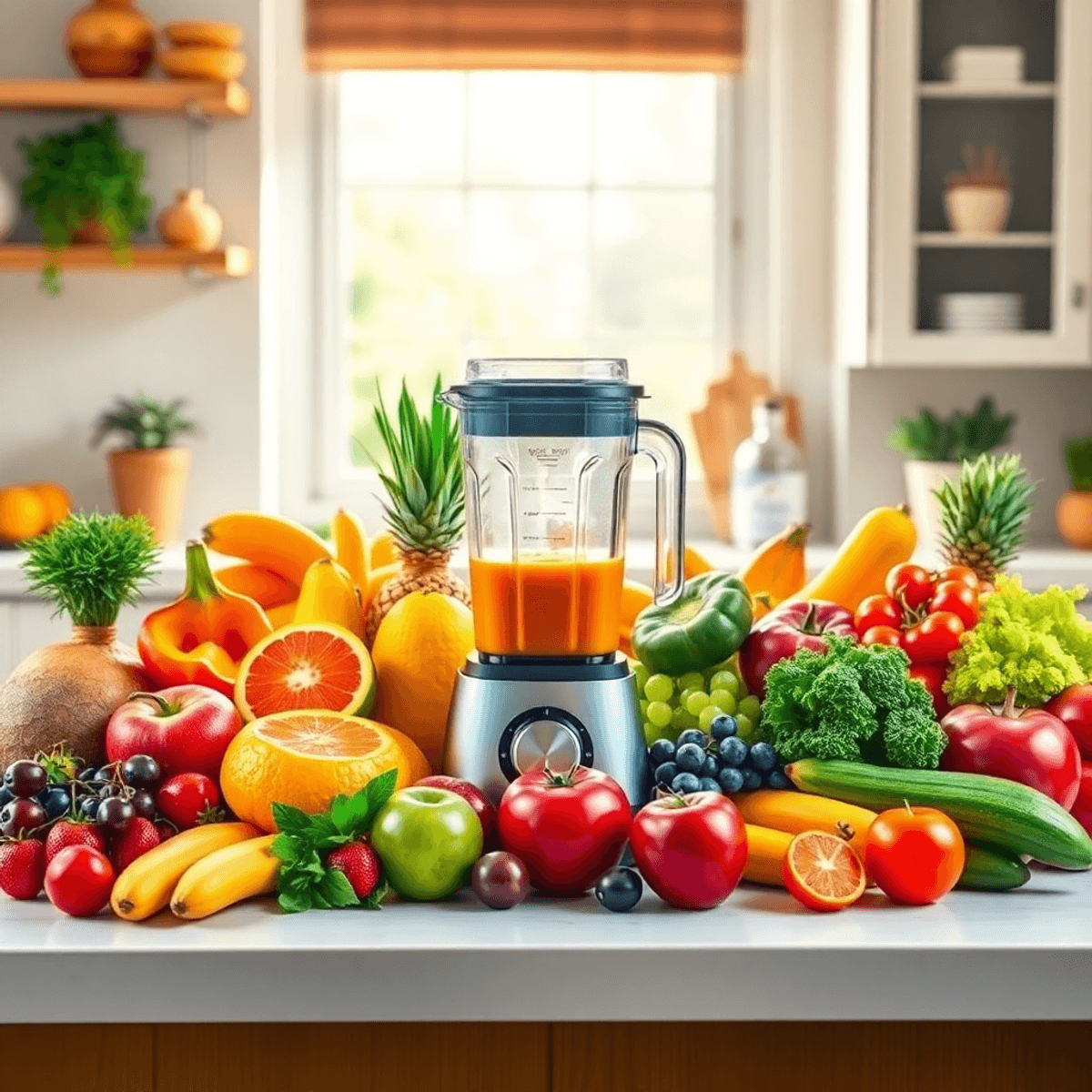

The smoothie diet has become incredibly popular in the wellness world, promising quick weight loss and better health through delicious, nutrient-rich drinks. This method involves replacing one or more meals each day with specially made smoothies packed with fruits, vegetables, and other healthy ingredients. As someone who decided to try out this trendy diet for myself, I’m here to share an honest, unfiltered personal experience that goes beyond the shiny marketing claims.
This diet review serves two purposes: to give you real insights into what actually happens when you commit to the smoothie diet, and to highlight important factors that often get ignored in promotional materials. While the internet is filled with success stories and before-and-after pictures, the complete story includes both victories and difficulties.
Understanding both the benefits and potential risks isn’t just helpful—it’s crucial for making an informed decision about whether this dietary approach fits your health goals, lifestyle, and individual needs. The Truth About the Smoothie Diet requires looking at both sides of the issue.
What is the Smoothie Diet?

The smoothie diet is a structured eating plan where participants replace one, two, or occasionally all three daily meals with blended beverages packed with fruits, vegetables, and supplementary nutrients. This approach aims to create a caloric deficit while maintaining nutritional intake, making it an attractive option for those seeking weight loss smoothies as part of their dietary strategy.
How Does the Smoothie Diet Work?
A typical smoothie meal plan follows a specific framework:
- Breakfast: A nutrient-dense smoothie containing protein, healthy fats, and fiber
- Lunch: Either another smoothie or a light, whole-food meal
- Dinner: Usually a balanced solid meal with lean protein and vegetables
- Snacks: Small portions of fruits, nuts, or an additional mini smoothie
The standard duration ranges from 21 days to several weeks, depending on individual goals and tolerance levels.
Common Ingredients in Smoothies for Dieting
Common ingredients used in smoothies for dieting include:
- Leafy greens: Spinach, kale, or Swiss chard for vitamins and minerals
- Fruits: Berries, bananas, mangoes, or apples for natural sweetness and antioxidants
- Protein sources: Greek yogurt, protein powder, nut butter, or silken tofu
- Liquid bases: Almond milk, coconut water, or regular water
- Healthy fats: Avocado, chia seeds, or flaxseeds
- Flavor enhancers: Cinnamon, vanilla extract, or cacao powder
The diet operates on the principle that these blended meals provide concentrated nutrition with fewer calories than traditional meals.
My Personal Journey on the Smoothie Diet

My personal smoothie diet experience began after months of struggling with stubborn weight that refused to budge despite regular gym sessions. I needed a reset—something that would jumpstart my weight loss journey while fitting into my hectic schedule. The promise of quick meal prep and increased nutrition made the smoothie diet an attractive option.
Starting the Routine
Each morning started at 6 AM with my blender becoming my new best friend. I prepped ingredients the night before, portioning out spinach, frozen berries, and protein powder into individual containers. My typical day looked like this:
- Breakfast: Green smoothie with spinach, banana, and almond butter (7 AM)
- Lunch: Berry protein smoothie with Greek yogurt (12:30 PM)
- Dinner: Regular balanced meal with lean protein and vegetables
- Snack: Small fruit smoothie if needed (3 PM)
The first three days hit me hard. My body craved the act of chewing solid food, and I found myself staring longingly at my colleague’s sandwich during lunch breaks. Headaches appeared on day two—likely from reduced caffeine and sugar intake. By day four, something shifted. The constant bloating I’d lived with for years started diminishing, and my 2 PM energy crash disappeared. The smoothie diet results were beginning to show, though not in the way I initially expected.
Positive Outcomes I Experienced
The health benefits of smoothie diet became apparent within the first two weeks of my journey. My body responded in ways I hadn’t anticipated, delivering results that kept me motivated to continue.
Weight Loss Success
The scale revealed a steady decline—I shed 8 pounds in the first three weeks. My clothes fit differently, particularly around my waist and hips. The bloating that had plagued me for months disappeared, replaced by a flatter stomach and a more defined silhouette. My face appeared slimmer, and friends began commenting on the visible changes.
Increased Energy Throughout the Day
The afternoon slump that once sent me reaching for coffee vanished. My increased energy levels remained consistent from morning until evening, allowing me to tackle workouts I’d previously skipped. I woke up feeling refreshed rather than groggy, a stark contrast to my pre-smoothie diet mornings.
Digestive Improvements
My digestion transformed dramatically. The regularity issues I’d struggled with resolved themselves naturally. The fiber-rich smoothies kept my system functioning smoothly, and the uncomfortable bloating after meals became a distant memory.
Nutritional Abundance
Before this diet, consuming the recommended daily servings of fruits and vegetables felt impossible. The smoothies made it effortless—I was easily consuming 5-7 servings daily. My skin developed a healthy glow, likely from the enhanced intake of fruits and vegetables packed with vitamins and antioxidants.
Important Alerts and Potential Drawbacks to Consider Before Starting the Smoothie Diet
While my experience brought several benefits, transparency demands addressing the smoothie diet warnings that became apparent during my journey. These nutritional concerns deserve serious consideration before committing to this eating plan.
Nutrient Deficiency Risks
The most significant concern involves inadequate protein, healthy fats, and essential micronutrients. Many smoothie recipes prioritize fruits and vegetables but lack sufficient protein sources. Without careful planning, you might miss crucial nutrients like vitamin B12, iron, calcium, and omega-3 fatty acids. I noticed my hair became slightly brittle during week three, which prompted me to reassess my smoothie formulations.
Hunger and Satiety Challenges
Liquid meals digest faster than solid foods, leading to unexpected hunger pangs between smoothies. The absence of chewing can also affect psychological satisfaction from eating. I experienced intense cravings for solid foods around day ten, particularly for crunchy textures and savory flavors that smoothies couldn’t replicate.
Potential Side Effects
Some individuals report digestive discomfort, bloating, or blood sugar fluctuations when starting the diet. The sudden increase in fiber intake can cause temporary gastrointestinal distress. I experienced mild headaches during the first few days, likely from reduced caffeine and calorie intake.
Medical Consultation is Essential
Before beginning any restrictive eating plan, consulting healthcare professionals remains non-negotiable. People with diabetes, kidney issues, or eating disorder histories need personalized medical guidance to avoid potential side effects that could compromise their health.
Tips for a Successful Smoothie Diet Experience

Creating nutritionally balanced smoothies requires strategic ingredient selection to support your health goals. Each smoothie should contain three essential components: a quality protein source (Greek yogurt, protein powder, or nut butter), fiber-rich ingredients (chia seeds, flaxseeds, or oats), and healthy fats (avocado, coconut oil, or nuts). This combination keeps you satisfied longer and stabilizes blood sugar levels throughout the day.
To achieve this balance, it’s important to follow some healthy eating guidelines. These guidelines can help you make informed choices about the ingredients you use in your smoothies.
Variety serves as your greatest ally in maintaining this eating pattern. Rotate between different protein sources, alternate leafy greens (spinach, kale, Swiss chard), and experiment with seasonal fruits to prevent flavor fatigue. Consider these smoothie diet tips for maximum diversity:
- Switch your liquid base between unsweetened almond milk, coconut water, and green tea
- Add unexpected ingredients like cucumber, beets, or fresh herbs for unique flavor profiles
- Incorporate superfoods such as spirulina, maca powder, or acai berries weekly
Sustainable dieting strategies extend beyond the blender. Pair your smoothie routine with complementary habits that amplify results: drink adequate water between smoothies, engage in regular physical activity, and ensure proper sleep. Meal prep becomes crucial—batch-prepare smoothie packs by portioning ingredients into freezer bags for grab-and-go convenience. This preparation method reduces decision fatigue and maintains consistency when motivation wanes.
Additionally, understanding the broader context of dietary guidelines can provide valuable insights into creating a well-rounded diet that complements your smoothie regimen.
Why I Recommend the Smoothie Diet with Caution
My experience with the smoothie diet taught me valuable lessons about the importance of a mindful dieting approach. While I witnessed genuine benefits—weight loss, increased energy, and better digestion—these positive outcomes came with conditions attached. The diet worked best when I treated it as a flexible tool rather than a rigid rulebook.
The Truth About the Smoothie Diet: A Personal Experience and Important Alerts centers on this reality: what works brilliantly for one person might create challenges for another. Your body’s signals matter more than any prescribed meal plan. During my journey, I learned to recognize when I needed more protein, when my energy dipped too low, or when my body craved whole foods instead of blended meals.
Personalization became my key to success. I adjusted recipes based on my activity levels, added more substantial ingredients on workout days, and didn’t hesitate to eat a proper meal when my body demanded it. This flexibility prevented the burnout and frustration that many dieters experience.
Your unique circumstances matter:
- Current health conditions and medications
- Activity levels and exercise routines
- Personal taste preferences and food sensitivities
- Lifestyle demands and social commitments
The smoothie diet serves as an excellent starting point for healthier eating habits, but it requires constant self-assessment and adjustment. Pay attention to hunger cues, energy patterns, and mood changes.
Start Your Smoothie Diet Journey Today!
Ready to start smoothie diet as part of your healthy lifestyle change? The key to success lies in thoughtful preparation and a willingness to adapt along the way.
Begin by gathering quality ingredients and investing in a reliable blender. Set realistic goals and create a meal plan that fits your schedule and nutritional requirements. Document your experience through photos, measurements, and a food journal—this tracking system helps identify what works best for your body and where adjustments might be necessary.
Try smoothie recipes that excite your taste buds while meeting your nutritional needs. Experiment with different combinations of:
- Leafy greens paired with tropical fruits
- Protein-rich additions like Greek yogurt or nut butters
- Fiber-boosting seeds such as chia or flaxseed
- Natural flavor enhancers like cinnamon or vanilla extract
Remember The Truth About the Smoothie Diet: A Personal Experience and Important Alerts—this journey requires patience, self-awareness, and flexibility. Start small, perhaps replacing one meal daily, and gradually increase as your body adapts. Your unique experience will guide you toward sustainable results.